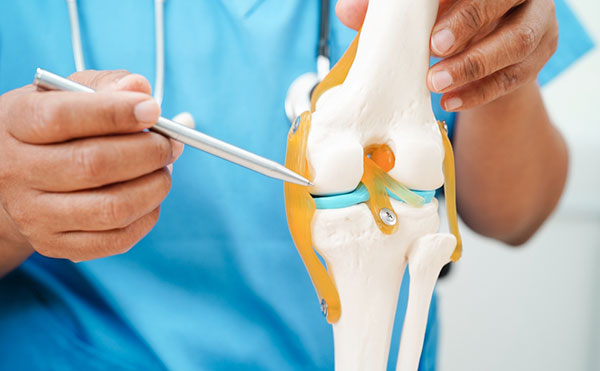
Knee pain is one of the most common reasons people visit an orthopedic surgeon. While occasional discomfort after physical activity may not be a cause for concern, persistent knee pain can sometimes indicate an underlying condition such as arthritis.
Many patients ignore the early symptoms, assuming knee pain is simply a part of ageing. However, recognising the signs early can help prevent further joint damage and improve long-term mobility.
What Is Arthritis in the Knee?
Arthritis is a condition that causes inflammation and degeneration of the joints. The most common type affecting the knee is osteoarthritis, which occurs when the protective cartilage cushioning the ends of the bones gradually wears away.
As the cartilage deteriorates, the bones begin to rub against each other, leading to pain, stiffness, swelling, and difficulty performing daily activities.
When Is Knee Pain a Sign of Arthritis?
Not all knee pain is caused by arthritis. However, certain symptoms may indicate that arthritis is developing.
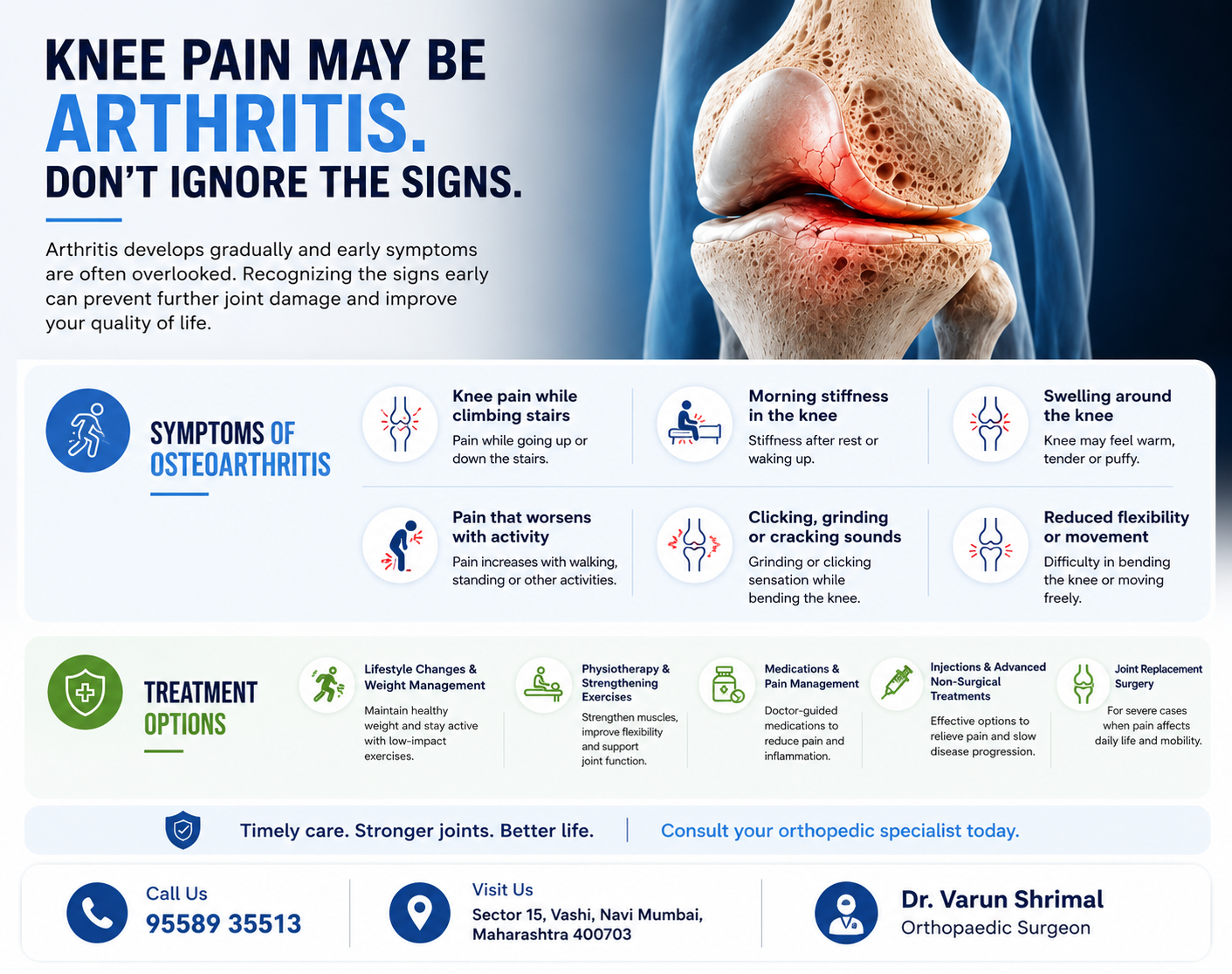
1. Knee Pain While Climbing Stairs
One of the earliest signs of knee arthritis is pain while climbing or descending stairs.
Many patients notice discomfort around the front or inside of the knee when putting pressure on the joint. Activities such as climbing stairs, squatting, or getting up from a chair may become increasingly painful over time.
If you regularly experience knee pain while climbing stairs, it may be worth consulting an orthopedic specialist for evaluation.
2. Morning Stiffness in the Knee
Do your knees feel stiff when you wake up in the morning?
Arthritis often causes stiffness after periods of rest. Some people find it difficult to start walking after getting out of bed or after sitting for a long time.
While the stiffness may improve with movement, recurring episodes can be a warning sign of arthritis.
3. Swelling Around the Knee Joint
Inflammation caused by arthritis may lead to visible swelling around the knee.
The knee may feel warm, tender, or appear slightly enlarged. Persistent swelling should never be ignored, especially when accompanied by pain or stiffness.
4. Pain That Worsens With Activity
In the early stages of arthritis, knee pain often increases with activity and improves with rest.
Walking long distances, standing for extended periods, climbing stairs, or carrying weight may trigger discomfort.
As arthritis progresses, pain may occur even during routine daily activities.
5. Clicking, Grinding, or Cracking Sounds
Some individuals with arthritis experience a grinding sensation or clicking sounds when bending the knee.
This occurs because the smooth cartilage surface is no longer protecting the joint effectively.
Although occasional joint sounds are common, persistent grinding associated with pain may require medical attention.
Why Is Knee Arthritis Common in the Elderly?
Knee pain in elderly individuals is frequently linked to osteoarthritis.
As we age, cartilage naturally becomes thinner and less resilient. Other factors such as obesity, previous injuries, genetics, and a sedentary lifestyle can further increase the risk of arthritis.
However, arthritis is not limited to older adults. Increasingly, younger individuals are developing knee problems due to obesity, sports injuries, poor posture, and lack of physical activity.
Can Knee Arthritis Be Treated Without Surgery?
Yes. Many patients can manage arthritis successfully without surgery, especially when diagnosed early.
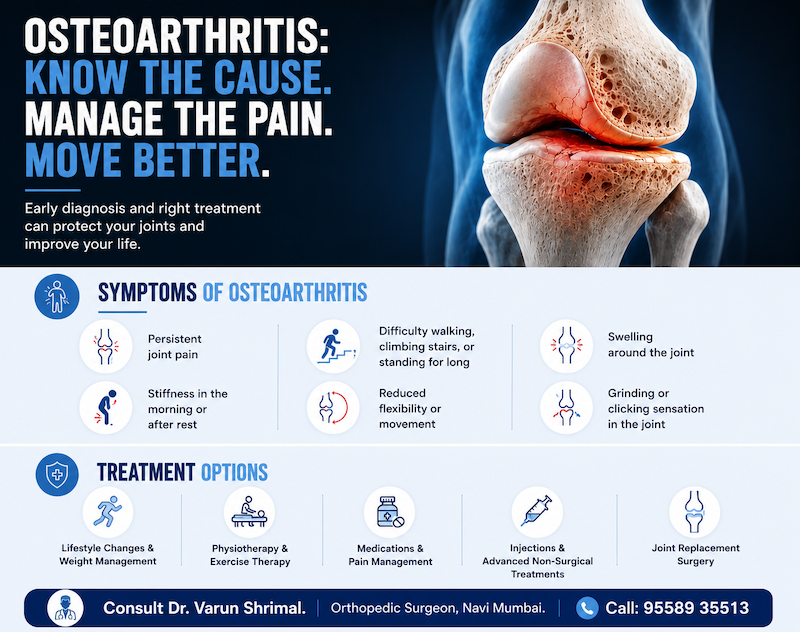
Treatment options may include:
- Lifestyle modifications
- Weight management
- Physiotherapy and strengthening exercises
- Activity modification
- Medications prescribed by an orthopedic specialist
- Advanced non-surgical treatment options when appropriate
Patients searching for knee stiffness treatment often benefit from a combination of exercise, physical therapy, and proper medical guidance.
When Should You See an Orthopedic Surgeon?
You should consult an orthopedic specialist if you experience:
- Persistent knee pain lasting more than a few weeks
- Knee pain while climbing stairs
- Regular swelling around the knee
- Difficulty walking or standing
- Stiffness that affects daily activities
- Reduced knee movement or flexibility
Early diagnosis can help slow the progression of arthritis and improve your quality of life.
Final Thoughts
Knee arthritis often develops gradually, making it easy to overlook the warning signs. Symptoms such as knee pain while climbing stairs, morning stiffness, swelling, and reduced mobility should not be ignored.
The earlier arthritis is identified, the more treatment options are available to help preserve joint function and maintain an active lifestyle.
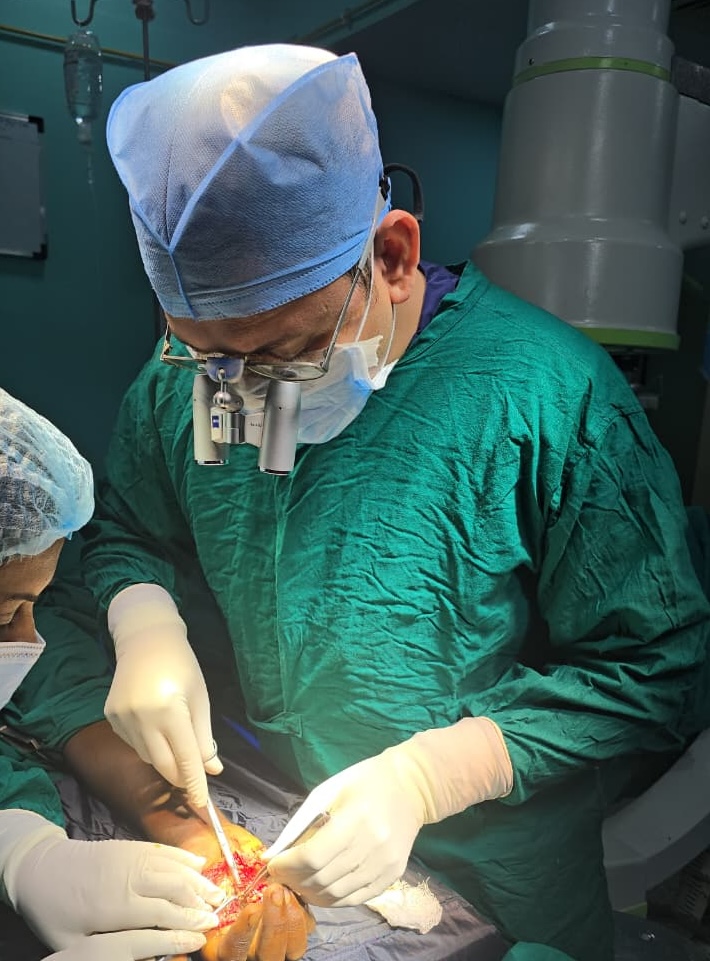
If you are experiencing ongoing knee pain, consult Dr. Varun Shrimal, Orthopedic Surgeon in Vashi, Navi Mumbai, for a thorough evaluation and treatment.


![5 Warning Signs Your Child May Need an Orthopedic Doctor]](https://drvarunshrimal.com/wp-content/uploads/2026/02/5-Warning-Signs-Your-Child-May-Need-an-Orthopedic-Doctor.png)