By Dr. Varun Shrimal – Orthopedic Surgeon, Vashi, Navi Mumbai
Joint pain is often dismissed as a normal part of ageing. But when pain, stiffness, or reduced mobility begin affecting your daily activities, it could be a sign of osteoarthritis.
Osteoarthritis is one of the most common joint disorders affecting adults, especially after the age of 45–50. Early diagnosis and timely treatment can help slow its progression and improve quality of life.
What is Osteoarthritis?
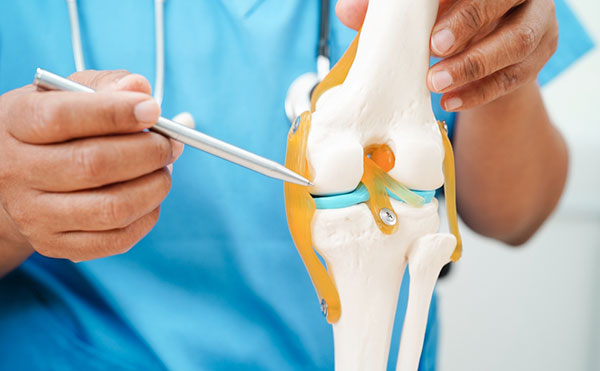
Osteoarthritis is a degenerative joint condition in which the protective cartilage cushioning the ends of bones gradually wears down over time. As the cartilage becomes thinner, bones begin to rub against each other, causing pain, stiffness, swelling, and reduced joint movement.
It commonly affects:
- Knees
- Hips
- Spine
- Hands
- Shoulders
Among these, knee osteoarthritis is especially common in adults in India due to age, lifestyle, excess weight, and repetitive stress on the joints.
Common Symptoms of Osteoarthritis
Osteoarthritis usually develops gradually. The symptoms may be mild at first but can worsen over time.
Some common signs include:
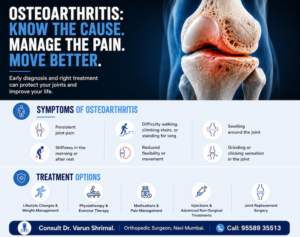
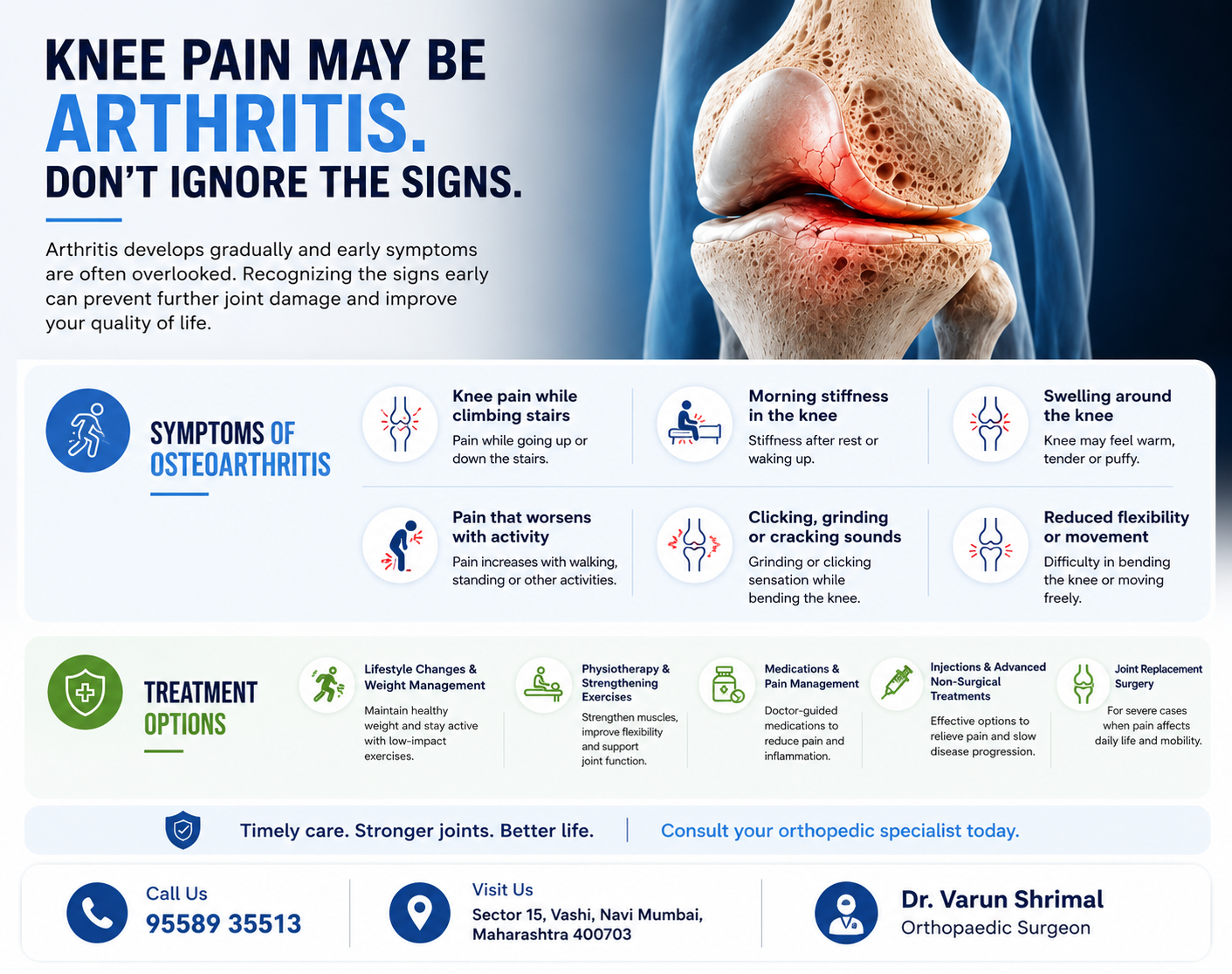
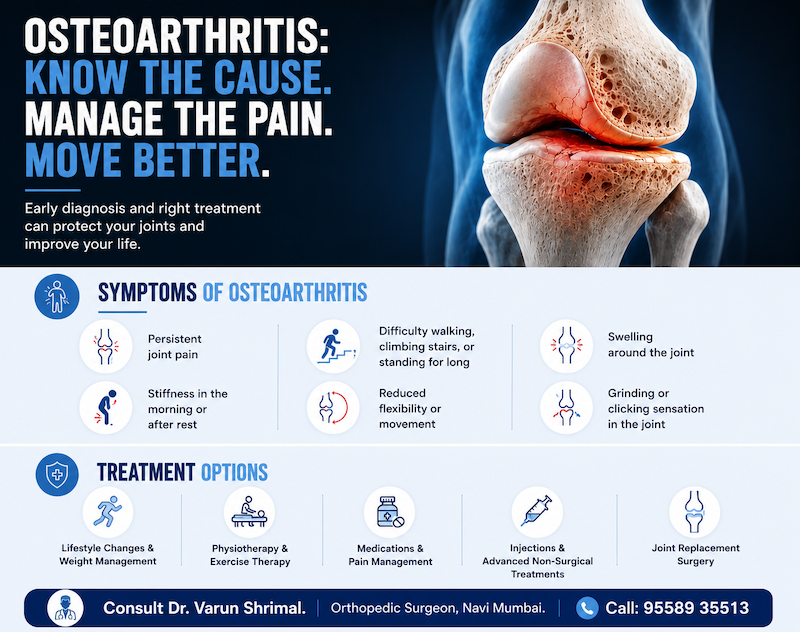
✔ Persistent joint pain
✔ Morning stiffness or stiffness after rest
✔ Swelling around the joint
✔ Difficulty walking, climbing stairs, or standing for long periods
✔ Reduced flexibility or movement
✔ Grinding or clicking sensation in the joints
Many patients continue relying on painkillers for temporary relief. However, treating the underlying cause is important to prevent worsening joint damage.
What Causes Osteoarthritis?
Several factors can increase the risk of osteoarthritis:
Ageing: Cartilage naturally weakens with age.
Excess Body Weight: Extra weight puts additional stress on weight-bearing joints like knees and hips.
Previous Injuries: Old sports injuries, fractures, or ligament injuries may increase the risk.
Sedentary Lifestyle: Weak muscles around the joints reduce support and stability.
Genetics & Bone Health: Family history, poor nutrition, and reduced bone strength can contribute to joint degeneration.
In fact, bone health and joint health often go hand in hand. If you are concerned about bone weakness or fractures, you may also read our article on Osteoporosis Treatment and Bone Protection for better long-term musculoskeletal health.
How is Osteoarthritis Diagnosed?
An orthopedic evaluation is important for accurate diagnosis.
Your orthopedic surgeon may recommend:
- Clinical examination
- X-rays to assess joint space narrowing and cartilage loss
- MRI scans in selected cases
- Assessment of mobility, pain severity, and daily activity limitations
Early diagnosis allows treatment to begin before significant joint damage occurs.
Treatment Options for Osteoarthritis
The good news is that osteoarthritis can often be managed effectively with the right approach.
1. Lifestyle Changes & Weight Management
Even a small reduction in body weight can significantly reduce pressure on the knees and hips.
Regular low-impact exercise such as walking, swimming, or guided strengthening exercises can improve mobility and muscle support.
2. Physiotherapy & Exercise Therapy
Physiotherapy plays a major role in improving flexibility, strength, and joint function. A customised rehabilitation plan can help reduce pain and improve movement.
3. Medications & Pain Management
Depending on the condition, your doctor may prescribe medications to reduce inflammation and manage pain. However, self-medication and long-term painkiller dependence should be avoided.
4. Injections & Advanced Non-Surgical Treatments
Certain patients may benefit from advanced therapies or injections recommended by an orthopedic specialist based on the stage of arthritis. Find complete guide on how to deal with Arthritis.
5. Joint Replacement Surgery
When pain becomes severe and significantly affects daily life, joint replacement surgery may be considered.
Patients who struggle with walking, sleeping due to pain, or performing simple daily activities may be candidates for surgery.
If you are wondering whether surgery may be required, you can explore our related blog: When is Joint Replacement Surgery Needed?
When Should You See an Orthopedic Surgeon?
Do not ignore joint pain that:
- Lasts for weeks or months
- Keeps returning repeatedly
- Limits your mobility or daily activities
- Causes difficulty walking or climbing stairs
- Does not improve with rest or basic treatment
Early medical intervention can help preserve joint health and reduce the need for invasive procedures later.
Final Thoughts
Osteoarthritis is not simply “wear and tear” that you must live with. With timely diagnosis, proper treatment, exercise, and lifestyle modifications, many patients can maintain an active and comfortable life.
If you are experiencing ongoing joint pain, stiffness, or mobility issues, seeking expert orthopedic care can make a significant difference.


![5 Warning Signs Your Child May Need an Orthopedic Doctor]](https://drvarunshrimal.com/wp-content/uploads/2026/02/5-Warning-Signs-Your-Child-May-Need-an-Orthopedic-Doctor.png)